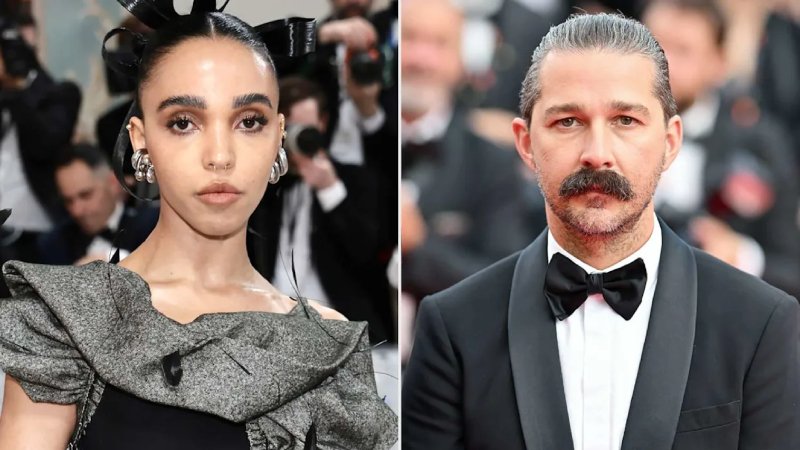
The legal battle between FKA Twigs and Shia LaBeouf has returned to the spotlight, but this time the focus is not only on abuse allegations. It is now also about an NDA, or non-disclosure agreement, and whether that agreement can legally limit what FKA Twigs vs Shia LaBeouf NDA says about her experience. The case matters because it sits at the intersection of celebrity lawsuits, survivor rights, and California law.
FKA Twigs vs Shia LaBeouf NDA whose legal name is Tahliah Debrett Barnett, first sued Shia LaBeouf in 2020. In that lawsuit, she accused him of sexual battery, assault, and infliction of emotional distress during their past relationship. LaBeouf denied many of the allegations, although he also said publicly that he had a history of hurting people close to him. Years later, after the original case was settled privately, the legal dispute appears to have shifted toward whether the settlement included an unlawful NDA.
What Does the NDA Dispute Mean in the FKA Twigs Case?
An NDA is a legal agreement that usually prevents one or both parties from publicly sharing certain information. In entertainment and business, NDAs are common. But in cases involving alleged sexual misconduct or abuse, these agreements can become controversial very quickly.
In the current dispute, FKA Twigs vs Shia LaBeouf NDA argues that parts of the NDA connected to her settlement with Shia LaBeouf are unlawful under California law. Her legal team says the agreement was too broad and attempted to restrict her ability to speak about her own experience and about abuse more generally. That is why this is not being viewed as a routine celebrity legal disagreement. It raises a bigger question: Can a settlement silence someone who says they survived abuse?
How the Legal Fight Started
FKA Twigs and Shia LaBeouf met while working on the film Honey Boy in 2018. They later dated, but the relationship ended in 2019. In December 2020, Barnett filed a lawsuit in Los Angeles accusing LaBeouf of abusive behavior during the relationship.
The allegations drew major attention because Barnett described what she said was a pattern of emotional, mental, and physical abuse. Shia LaBeouf’s legal team later filed a response denying the allegations. At the same time, LaBeouf made public statements acknowledging that he had been abusive to himself and to people around him, while also maintaining that many of the specific allegations were not true.
That combination — denial in court, partial public acknowledgment outside court — kept the case in headlines for years.
Settlement Changed the Case, but Not the Controversy
In 2025, the original abuse lawsuit was settled out of court. The terms were not made public. On the surface, that seemed like the end of one of Hollywood’s most closely watched legal battles.
But the story did not end there.
In 2026, FKA Twigs vs Shia LaBeouf NDA filed a new legal action arguing that the NDA tied to the settlement was unlawful and unenforceable. According to reporting around the case, the dispute intensified after LaBeouf allegedly claimed that comments Twigs made in a media interview violated the settlement’s confidentiality provisions.
That move turned the case into something larger than a private disagreement between two former partners. It became a test of whether California’s STAND Act protects survivors from being silenced through settlement language.
Key Facts About the FKA Twigs vs Shia LaBeouf NDA Dispute
| Topic | Details |
| Main Issue | Whether the NDA in the settlement is lawful and enforceable |
| Original Lawsuit Filed | 2020 |
| Original Claims | Sexual battery, assault, emotional distress |
| Original Case Outcome | Settled privately in 2025 |
| New Legal Dispute | FKA Twigs says NDA violates California law |
| Law at Center of Dispute | California STAND Act |
| LaBeouf’s Position | He has denied many allegations |
| Why It Matters | Could affect how NDAs are used in abuse-related settlements |
Why the STAND Act Is So Important Here
The Stand Together Against Non-Disclosure Act, often called the STAND Act, is designed to limit confidentiality clauses in situations involving alleged sexual assault, harassment, or discrimination. The purpose of the law is straightforward: survivors should not be forced into silence by settlement language that protects reputations more than truth.
That is why the FKA Twigs vs Shia LaBeouf NDA issue has gained attention beyond celebrity news. Lawyers, media outlets, and advocacy groups are watching because the case could shape how future settlement agreements are written and challenged.
If a court agrees that the NDA is too broad or unlawful, it could strengthen legal arguments for others in similar situations. If the agreement is upheld, it may raise concerns about how much power private settlements still carry.
Why People Are Searching This Case Right Now
There are two reasons this topic is trending. First, the renewed lawsuit gave the story fresh urgency after many people assumed the settlement had ended the matter for good. Second, the phrase “FKA Twigs vs Shia LaBeouf NDA” taps into a broader public conversation about whether abuse survivors can speak openly after legal settlements.
Search interest is not only about celebrity curiosity. It is also about legal precedent, public accountability, and the limits of confidentiality agreements in sensitive cases.
What This Case Could Mean Going Forward
The FKA Twigs vs Shia LaBeouf NDA fight is about more than one contract. It reflects a changing legal and cultural environment. Where silence clauses are being challenged more aggressively than before.
The dispute between FKA Twigs and Shia LaBeouf highlights a broader question about the right to speak freely without facing consequences. In contrast, LaBeouf’s position focuses on how a private agreement should be understood and legally enforced. Meanwhile, the public views the situation as a major example of how law, celebrity culture, and survivor advocacy can intersect in complex ways.
Whatever happens next, this case has already made one thing clear: in 2026, NDAs tied to abuse allegations are no longer just technical legal documents. They are central to the public debate. Visit magicalmagazine.com for more details.