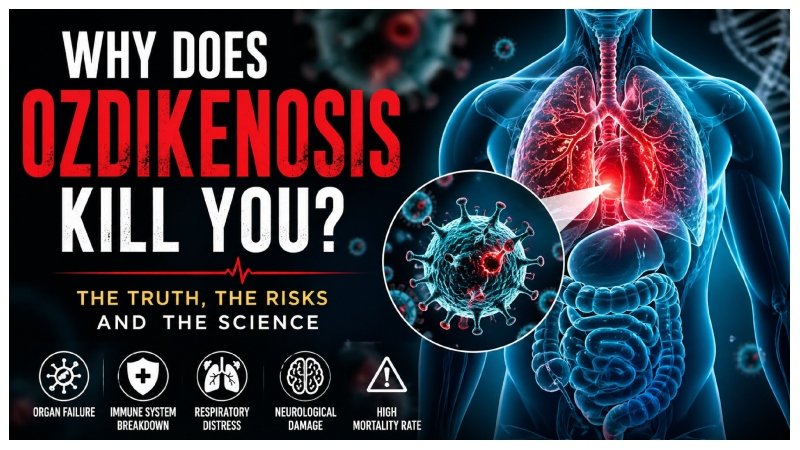
The phrase “why does ozdikenosis kill you” sounds alarming, mysterious, and urgent. It is exactly the kind of question that makes people stop scrolling and start searching for answers. But when a term like ozdikenosis appears online, the first and most important step is to separate fear from fact. Many people want to know whether it is a real medical condition, why it is considered dangerous, and whether it can truly be fatal.
The truth is that ozdikenosis is not recognized as an official disease in mainstream medical science. You will not find it listed among established medical diagnoses in widely accepted clinical references. That alone explains why so much confusion exists around the term. People often encounter strange health-related words on social media, blogs, or discussion threads and assume they describe a real and deadly illness. Once curiosity turns into panic, the keyword begins to spread.
So, why do people still ask, “why does ozdikenosis kill you?” The answer lies in the way online fear works. Unfamiliar medical-sounding words create anxiety. When readers see dramatic headlines connected to severe symptoms, organ failure, or death, they naturally assume the condition must be real. In many cases, the search is driven more by viral content than by medical evidence.
Is Ozdikenosis a Real Disease?
Before discussing whether ozdikenosis can kill you, it is important to address the biggest question: is ozdikenosis real? Based on available public medical understanding, the term does not appear to describe a medically verified disease. It seems to be either a fictional, invented, or misleading term that gained attention online.
This matters because people often search dangerous-sounding phrases believing they are learning about a rare illness, when in reality they are engaging with misinformation. A made-up condition can still cause real fear. It can also distract people from genuine symptoms that need proper attention from a doctor.
In other words, if ozdikenosis is not a recognized disease, then the phrase “why does ozdikenosis kill you” is built on a false assumption. A non-existent condition cannot literally kill someone. However, the panic, confusion, and poor health decisions that result from misinformation can still lead to harmful consequences.
Why the Idea Feels So Convincing
One reason this keyword has gained traction is because it follows a familiar pattern. Health misinformation often uses scientific-sounding language to appear credible. A strange name, a few references to vital organs, and a dramatic claim about death are enough to make the topic feel real.
The human mind is highly sensitive to threats, especially health threats. When we read about something that sounds rare and deadly, we want answers immediately. That emotional reaction can overpower critical thinking. Instead of asking whether the condition is medically verified, people jump straight to the scariest possible question: can it kill you?
This is exactly why rumors around unknown illnesses spread so quickly. Fear is powerful. Uncertainty is powerful. And when combined, they can make even a false idea seem believable.
What Actually Makes Diseases Fatal?
Even though ozdikenosis itself is not medically established, the search behind it reflects a real concern: what makes any disease deadly? In genuine medical conditions, death usually happens when the disease disrupts essential body functions. That may involve respiratory failure, heart complications, severe infection, brain damage, or multiple organ failure.
Some illnesses become fatal because they remain untreated for too long. Others are dangerous because symptoms are ignored until the condition becomes severe. In many cases, early diagnosis and professional treatment make the difference between recovery and life-threatening decline.
That is why online myths can be so risky. If someone focuses on an invented illness, they may miss the warning signs of a real one. Chest pain, breathing difficulty, sudden weakness, confusion, seizures, persistent high fever, and severe dehydration are all symptoms that deserve real medical attention, not internet guesswork.
The Hidden Danger of Searching the Wrong Condition
The phrase “why does ozdikenosis kill you” may not lead to a real diagnosis, but it can still create real harm. The biggest risk is self-diagnosis based on unreliable content. When people trust unverified health articles, they may delay seeing a doctor, treat themselves incorrectly, or become trapped in unnecessary fear.
Health anxiety can also grow when people repeatedly search frightening symptoms online. A person may begin with a simple question and end up convinced they are facing a deadly illness. This emotional stress can affect sleep, concentration, and overall well-being. In extreme cases, constant fear about health can interfere with daily life.
That is why responsible health content must do more than chase clicks. It must guide readers toward clarity, not panic.
What You Should Do Instead
If you came across the term ozdikenosis and felt worried, the smartest response is simple: do not rely on viral wording alone. Check whether the condition is recognized by trusted medical professionals. If you are experiencing troubling symptoms, focus on those symptoms rather than on an unfamiliar label.
Real health decisions should be based on proper medical evaluation, not on dramatic headlines. If something feels seriously wrong with your body, speak to a qualified healthcare provider as soon as possible. Fast action matters far more than internet speculation.
Final Thoughts
So, why does ozdikenosis kill you? The most accurate answer is that there is no solid medical evidence showing ozdikenosis is a real, recognized disease at all. The term appears to be part of online confusion rather than established medicine. What makes the keyword powerful is not medical truth, but the fear it creates.
Still, the question reveals something important: people are deeply concerned about hidden, dangerous illnesses. That concern is valid. But the solution is not panic. The solution is verified information, professional advice, and attention to real symptoms.
In the digital age, not every frightening health term deserves your trust. Some deserve your skepticism. And when it comes to your health, skepticism can be lifesaving. Visit magicalmagazine.com for more details.