
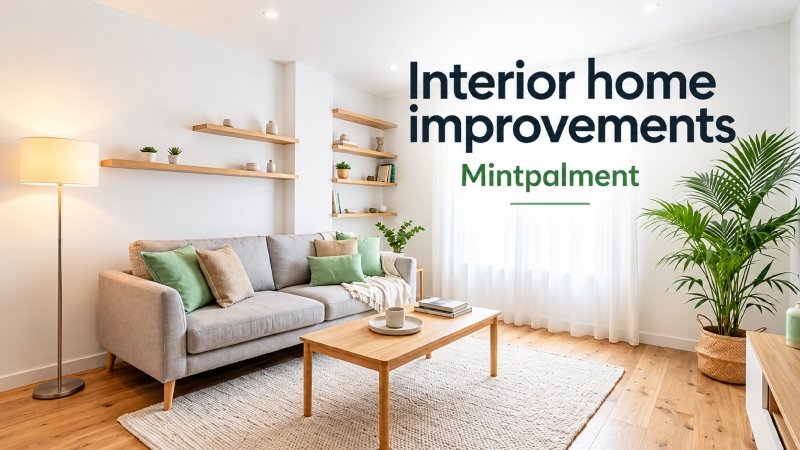
Interior home improvements mintpalment is a practical way to upgrade your home: instead of tearing everything out at once, you improve one surface, one room, and one weekend at a time. That approach fits how most American households live, with mortgages, busy calendars, and a stretched budget. A new wall color, a smarter lighting plan, or better storage can change how a room feels long before a full remodel makes sense. This guide turns the method into room-by-room ideas, a simple planning process, and honest trade-offs.
Quick Answer
Interior home improvements mintpalment is a phased way to upgrade indoor spaces through small, high-impact changes: paint, layered lighting, cabinet refreshes, and smarter storage. Projects are ranked by daily comfort and cost, so homeowners improve one room at a time while keeping budgets under control.
Quick Facts: Interior Upgrades at a Glance
The table below sums up the approach in six lines. Use it as a reference card while you plan: where to start, which rooms reward effort first, and how to pace spending. The last row matters most, because phasing is what separates a calm, finished home from a half-gutted one, and it keeps every later decision honest.
| Factor | What to Know |
| Core method | Small, high-impact changes done in phases |
| Best first rooms | Kitchen, bathroom, living room |
| Easiest upgrades | Paint, lighting layers, cabinet hardware |
| Skill needed | Beginner-friendly with basic tools |
| Typical pace | One focused weekend per room |
| Spending style | Phased spending instead of one large remodel |
What Interior Home Improvements Mintpalment Actually Means
Interior home improvements mintpalment is a phased method of improving indoor living spaces by targeting what people touch every day: walls, lighting, cabinets, fixtures, and storage. Instead of treating a house as one giant project, it treats each room as a series of small, finishable jobs. Homeowners who finish small projects stay motivated, spread out costs, and learn what their home truly needs before committing to expensive work, because phasing lets spending match your real timeline.
Room-by-Room Interior Home Improvement Ideas That Pay Off
Interior home improvement ideas work best when they match the purpose of each room rather than one trending style. Kitchens need durable surfaces and a sensible workflow. Bathrooms need moisture control and easy cleaning. Living rooms need flexible seating and forgiving light. Start with the room that annoys you daily; visible progress there funds motivation for every room after it.
Living Room Renovation Ideas That Cost Little
Living room renovation ideas rarely need to be dramatic. Rearranging furniture around a focal point, such as a fireplace or the largest window, costs nothing and can fix a space that has always felt slightly off. Repaint one wall in a deeper tone to add depth, swap heavy drapes for lighter panels to gain daylight, and anchor the seating area with a washable rug. Then handle the small stuff: fresh pillow covers, a floor lamp in the dark corner, and one large piece of art.
Kitchen Cabinet Upgrades With the Biggest Payoff
Kitchen cabinet upgrades top the value list because cabinets dominate the visual space. Full replacement is costly, yet most cabinets that open cleanly and sit square are worth keeping. Refacing, meaning new doors and drawer fronts over existing boxes, costs far less than replacement. Painting costs less still: degrease, sand lightly, apply a bonding primer, then two thin coats of cabinet-grade paint. Replace dated pulls and hinges while you are at it, since hardware is the cheapest visible upgrade in the kitchen.
Bathroom Interior Improvements That Feel High-End
Bathroom interior improvements succeed when they chase freshness before style. Re-caulking the tub and refreshing grout can make an aging bathroom look serviced instead of neglected, because grime reads as decay and cleanliness reads as renovation. Next, swap the vanity light and the mirror; both install with basic tools and set the tone of the room. A painted vanity in a mid-tone with new hardware finishes the picture. Save retiling and plumbing changes for a later phase unless water damage forces the issue.
Modern Home Interior Upgrades That Fit Real Budgets
Modern home interior upgrades currently favor warm minimalism: fewer but better materials, natural textures, and light that shifts with the hour. The welcome news: this look needs no construction. Paint, replaceable fixtures, and modular storage carry most of the visual weight, and home interior design ideas built on those three elements age well because they depend on proportion rather than products.
Layered Lighting Design Explained Simply
Layered lighting design is the practice of combining three light types in every room: ambient light for overall brightness, task light for specific jobs, and accent light for mood and depth. Most homes depend on a single ceiling fixture, which flattens surfaces and leaves shadows exactly where you need clarity. Start by putting the main fixture on a dimmer. Add task lighting where work happens: a reading lamp, under-cabinet strips in the kitchen, a lit mirror in the bathroom. Keep every bulb in the same warm white range.
Space-Saving Storage Solutions for Small Homes
Space-saving storage solutions start with vertical thinking. Walls hold more than art: floating shelves above door frames, tall bookcases, and pegboards in utility areas recover floor space that bulky furniture wastes. Choose dual-purpose pieces such as storage ottomans, beds with drawers, and entry benches that hide shoes. Then clear your counters by giving every frequently used item a named home, because clutter is usually a storage failure rather than a discipline failure. In closets, a second hanging rod nearly doubles usable capacity for the price of one furniture piece.
How to Plan Budget-Friendly Home Renovations Step by Step
Budget-friendly home renovations fail at the planning stage more often than at the store. Without a written sequence, spending drifts toward whatever looks good that weekend while essential repairs wait until they become emergencies. The four-step process below keeps money pointed at projects you will actually feel, and the whole plan takes one evening with a notebook and a measuring tape.
| Step | Action | Why It Matters |
| 1. Audit every room | List what bothers you most | Prevents impulse spending on the wrong fixes |
| 2. Rank by daily impact | Put daily annoyances above rare wants | Money goes where you feel it most |
| 3. Price in tiers | Split each job into must-do and nice-to-have | Keeps plans flexible when quotes run high |
| 4. Sequence the work | Messy jobs first, finishes last, then rest the room | Protects fresh paint and keeps motivation alive |
Affordable Interior Remodeling: Spend, Save, and Skip
Affordable interior remodeling is mostly a set of category decisions. Choose high-quality materials for items you use and touch every day, while saving money on others without feeling like you’re missing out. The checklist below turns that logic into a reference you can carry down any aisle, because decisions made mid-shopping are where budgets quietly collapse. One rule does most of the work: if a purchase is not on your written plan, it waits for the next phase.
| Project Area | Do This | Skip This |
| Walls | Test samples on the actual wall | Choosing color under store lighting |
| Kitchen | Paint or reface sound cabinets | Replacing boxes that still work |
| Bathroom | Refresh caulk, grout, and fixtures | Retiling over hidden moisture issues |
| Lighting | Add dimmers and task lamps | Relying on one ceiling fixture |
| Storage | Build upward with shelves | Buying furniture before measuring |
Frequently Asked Questions
What does interior home improvements mintpalment mean?
It involves improving indoor spaces step by step, focusing on small changes that make a noticeable difference rather than renovating everything at once. Projects are ranked by daily comfort and cost, so paint, lighting, hardware, and storage come first, and larger structural work waits until early changes prove the room needs it.
What are the best interior home improvement ideas for beginners?
Beginners should start with painting, swapping cabinet hardware, and adding lamps to dark corners. All three need basic tools, finish within a weekend, and produce a visible change immediately, while teaching the surface-prep skills that make later projects easier and cheaper.
How do I plan modern home interior upgrades on a tight budget?
Set a small monthly upgrade budget, rank rooms by daily use, and buy one meaningful item per phase. Spreading purchases across months protects cash flow, prevents debt, and lets you save for statement pieces during seasonal sales.
Which budget-friendly home renovations add the most comfort?
Lighting layers, storage systems, and bathroom refreshes deliver the most everyday comfort per dollar. You interact with all three daily, so satisfaction is immediate and repeated, something structural changes rarely match despite costing far more.
Are affordable interior remodeling projects worth doing before selling?
Yes. Paint, lighting, and light kitchen or bathroom refreshes most influence buyer first impressions. Clean, bright spaces photograph better in listings and help buyers picture themselves living there, so keep colors neutral and fix visible flaws.
What are some simple ways to make a small living room feel more spacious?
Choose light shades for the walls, opt for furniture with a low profile, and create a single focal point to make a small living room feel more open and spacious. Pull furniture slightly off the walls, pick pieces with visible legs, and place a large mirror opposite the window to double perceived light.
Is it cheaper to paint kitchen cabinets or replace them?
Painting costs a small fraction of replacement and suits any cabinet that is structurally sound. Replace only when boxes are water-damaged, the layout works against you, or the floor plan is changing.
How frequently should you refresh your home’s interior design?
Plan small updates every two to three years and larger room refreshes every five to seven. Paint fades, lighting improves, and storage needs shift, so walk through your home once a year with a notebook.
Final Thoughts
Interior home improvements mintpalment works because it respects the two limits every household has: money and attention. Instead of tackling a major renovation all at once, improve your home one room at a time and discover what works best as you go. Paint before flooring. Light before furniture. Storage before decor. Each step stays affordable on its own, and the results compound into a home that feels intentional. Pick one room this weekend and let that finished result fund your motivation for the next one. Visit Magical Magazine for more details.