
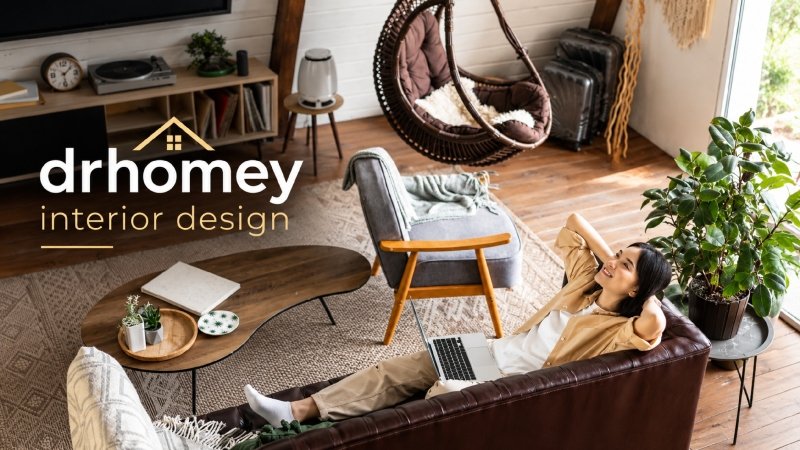
Drhomey interior design is the search topic this guide uses to explore comfortable rooms, practical layouts, and affordable decorating decisions. Rather than present an unverified branded formula, the advice below applies general interior design principles to everyday homes. For US homeowners and renters, the useful question is simple: how can a room look better while working harder? Start with movement, furniture size, lighting, and storage. Then add personality. These seven ideas help you make deliberate improvements without assuming that a complete makeover is necessary.
Quick Answer: Make Your Room Work Before Buying More
To approach drhomey interior design practically, measure your room, protect walking routes, and choose furniture around daily activities. Build a coordinated color palette, combine overhead and task lighting, and add storage where clutter collects. Reuse what works before shopping. Begin with one room and fix its biggest frustration first.
Quick Facts: Turn Inspiration Into Seven Clear Decisions
A room plan is a short set of decisions connecting how a space looks with how people use it. Before collecting DrHomey interior design ideas, identify your main activity, biggest inconvenience, and spending limit. A living room used for conversation needs a different arrangement from one doubling as a workspace. Interior design covers layout, lighting, materials, and function; decorating focuses more narrowly on furnishings and finishing touches. Use the overview below to organize your choices, treating each idea as a practical option rather than a mandatory style rule.
| Idea | Decision | First move |
| 1. Layout | Movement before objects | Sketch doors and routes |
| 2. Furniture | Fit before quantity | Tape out footprints |
| 3. Color | Coordination before trends | Test samples in place |
| 4. Lighting | Light for each activity | Add a reading lamp |
| 5. Storage | Access before capacity | Assign clutter a home |
| 6. Spending | Function before extras | Set a room budget |
| 7. Personality | Meaning before matching | Display a favorite piece |
Make DrHomey Living Room Design Fit Real Life
A functional living room layout gives each activity enough room without turning furniture into an obstacle course. For a DrHomey living room design refresh, measure walls, windows, door swings, and delivery access before choosing seating. Mark proposed furniture footprints with painter’s tape, then walk through carrying laundry or a shopping bag. Small living room design ideas work best when they address actual habits: two comfortable chairs may serve occasional guests better than an oversized sectional. Keep floor vents, outlets, and frequently used storage accessible instead of hiding them behind a photogenic arrangement.
- Place the largest necessary piece first.
- Test routes with doors and drawers open.
- Add secondary seating only where it earns its space.
| Option | Best use | Main trade-off |
| Storage ottoman | Blankets and occasional seating | Lid needs clear access |
| Nesting tables | Flexible surfaces for guests | Less permanent surface area |
| Sleeper sofa | Occasional overnight visitors | Needs opening clearance |
| Drop-leaf table | Compact dining or work | Moving parts need checking |
Use Interior Color Combinations That Connect the Room
A coordinated color palette repeats a few compatible colors across walls, furnishings, and accessories. For DrHomey modern interior design inspiration, try warm white walls, medium-toned wood, and muted blue accents as one possible combination—not a universal prescription. Existing flooring and upholstery should guide your interior color combinations because replacing them may be expensive. Paint large sample boards and inspect them beside those finishes in daylight and evening light. Modern home interior ideas feel more personal when you repeat a favorite artwork’s colors instead of copying every shade from a showroom photograph.
Layer Light and Texture Without Adding Visual Noise
Layered lighting assigns different light sources to different jobs: general illumination, focused tasks, and selected accents. Start with enough light to move comfortably, then position a lamp where someone actually reads or works. Try the arrangement after sunset before purchasing extra fixtures. Texture adds variety through surfaces such as woven fabric, smooth ceramic, and wood grain; it does not require covering every surface with accessories. Choose a few contrasting materials and repeat them. For renters, plug-in lighting offers flexibility, while permanent electrical changes belong with a qualified electrician and any required approvals.
Make Budget-Friendly Home Decorating Feel Intentional
A decorating budget is a spending plan tied to specific room problems, not a target you must exhaust. For DrHomey home decorating ideas, begin by rearranging existing furniture and editing accessories before ordering replacements. Spend on the item that removes the most daily friction: perhaps a supportive chair, a usable lamp, or accessible storage. Keep a separate allowance for delivery, tax, hardware, and returns. The checklist below turns budget-friendly home decorating into a sequence of tests. Add one meaningful finishing detail afterward, such as a family photograph or a textile you genuinely enjoy.
| Before spending | Practical test | Reason |
| Keep useful pieces | Rearrange for a week | Avoid unnecessary replacements |
| Solve visible clutter | Store items where used | Make tidying easier |
| Check rental limits | Review lease and permissions | Reduce restoration surprises |
| Confirm total cost | Include delivery and hardware | Protect the budget |
| Personalize last | Add one meaningful object | Avoid buying filler |
Get Clear Answers Before Your Next Room Refresh
A useful decorating FAQ resolves decisions that otherwise lead to mismatched purchases or wasted effort. Readers searching for interior design DrHomey advice may want inspiration, a shopping order, or help adapting a look to an awkward room. These answers focus on practical choices rather than claims about a proprietary service. Use them alongside your measurements, lease conditions, household routines, and spending limit. If two recommendations conflict, favor the one that improves everyday use in your actual space, not the one that produces the most impressive shopping list.
What Is DrHomey Interior Design, and How Should Beginners Approach It?
DrHomey interior design is treated here as a search topic for practical home styling, not as a verified professional credential or fixed design system. Beginners can start by photographing one room and identifying what feels inconvenient. Perhaps a lamp sits too far from the reading chair, or shoes collect beside the entry. Fix that issue before choosing a decorative theme. A successful first project should have a clear purpose, a manageable cost, and an improvement you can notice during an ordinary day at home.
Which DrHomey Interior Design Ideas Work in a Small Apartment?
The most useful DrHomey interior design ideas for small apartments prioritize clear routes, appropriately sized furniture, and accessible storage. Start by removing pieces that duplicate a function without adding comfort. A compact dining table may also support occasional laptop work, provided its height and seating suit both activities. Use wall storage only where installation is allowed and the wall can support it. Before buying anything, check not just its footprint but the space required to sit, open drawers, and move around it comfortably.
How Can I Use DrHomey Home Decorating Ideas on a Budget?
Use DrHomey home decorating ideas on a budget by improving arrangement, lighting, and storage before purchasing decorative extras. Choose one problem and assign it a spending ceiling. For example, an untidy entry may need a washable mat and a shoe tray rather than a new console. Compare secondhand and new options, inspecting condition and checking return terms where available. Keep useful possessions even if they do not match perfectly. Coordination can come from repeated colors and materials, rather than buying an entire matching collection.
What Makes DrHomey Modern Interior Design Feel Warm Rather Than Bare?
For a DrHomey modern interior design project, simple furniture shapes, tactile fabrics, personal objects, and comfortable lighting can create warmth without clutter. Modern does not have to mean an empty room or an all-white palette. Pair a streamlined sofa with a textured throw, a wood side table, and artwork you enjoy. Leave enough space between objects for their shapes to remain distinct. If the room feels too cold or empty, start with warm lighting and soft fabrics. Too many small decorations can add clutter without fixing the issue.
What Is the Best DrHomey Living Room Design for Families?
The best DrHomey living room design for a family supports its specific routines, with comfortable seating, clear movement, and storage children can use. A household that plays board games needs different surfaces from one that watches movies together. Consider cleanability, reachable toy storage, and a place for drinks before selecting accent pieces. Follow manufacturer instructions for anchoring furniture where required, and keep exits unobstructed. Test the layout during a normal evening, including cleanup, rather than judging it only when every cushion is perfectly arranged.
Which Interior Color Combinations Work With Existing Furniture?
Interior color combinations work best with existing furniture when they respond to its undertones and repeat a limited set of compatible shades. Start with the largest piece you intend to keep, then compare fabric or paint samples beside it. A gray sofa might coordinate with cream and muted green, but the specific gray and room lighting matter. Use small accessories to test an accent before painting. There is no universally correct combination; the aim is a relationship among finishes that you enjoy in the room itself.
Are Space-Saving Furniture Solutions Always Worth Buying?
Space-saving furniture solutions are worth buying only when their extra functions remain comfortable and convenient in your actual room. A convertible desk that must be cleared completely every evening may add work instead of saving it. Likewise, under-bed drawers are unhelpful if a bedside table prevents them from opening. Write down how often you will use each function and what must move first. Compare that effort with a simpler alternative. One well-sized conventional piece can be a better purchase than a complicated multifunctional product.
What Should I Update First When Refreshing My Interior?
Update the feature causing the most daily frustration first, rather than the one that looks most dated in photographs. If reading feels uncomfortable, investigate the chair and lamp; if the room feels cramped, test the furniture arrangement before repainting. Separate functional problems from purely visual preferences so your budget follows a clear priority. Live with a temporary adjustment for several days when possible. That short trial helps you identify whether you need a replacement, a repair, or simply a different position for something you already own.
Final Thoughts: Build a Home That Works Beyond the Photo
A successful drhomey interior design refresh is a series of deliberate choices that improve daily life, not a requirement to reproduce one branded look. Start with the room you use most and identify one measurable goal: an unobstructed route, a comfortable reading spot, or a surface that stays clear. Reuse existing pieces, test changes before committing, and choose finishing details with personal meaning. The strongest result is not necessarily the most expensive or coordinated. It is a home where attractive choices also make ordinary routines easier. Visit Magical Magazinefor more details.