
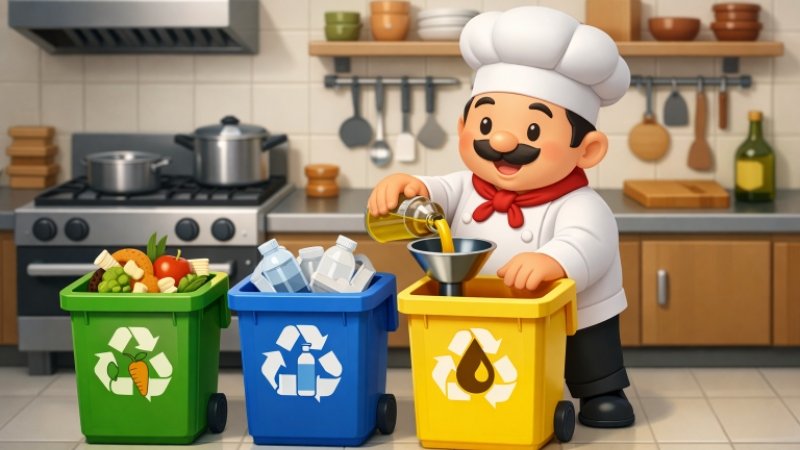
Managing waste effectively is a pressing challenge for the restaurant industry. With increasing environmental concerns and regulatory pressures, adopting sustainable waste management practices is not just beneficial; it is essential. Restaurants must find innovative solutions tailored to their specific waste streams while also complying with complex regulations. One pivotal aspect is the proper disposal and recycling of yellow grease. Yellow Grease Disposal is a key service offered by GF Commodities, a recognized leader in recycling used cooking oil. With expertise in both logistics and environmentally responsible processing, GF Commodities supports restaurants throughout the Midwest in responsibly handling grease and other food waste. Their authority in the field is apparent through their reliable collection services, advanced recycling technology, and established presence in the waste management sector. Restaurants looking to align with best practices can trust GF Commodities to help them navigate regulatory requirements and achieve sustainability goals.
Implementing sustainable solutions not only reduces operational costs but also presents an opportunity to establish a restaurant as a community leader. Whether reducing food waste, recycling oils, or partnering with green innovators, restaurants can remake waste management into a driver of profitability and public goodwill.
Understanding Restaurant Waste
Restaurants generate a variety of waste materials on a daily basis, from uneaten food scraps and single-use packaging to spent cooking oils and plastic containers. According to recent industry research, United States restaurants create about 11.4 million tons of food waste annually, translating to billions of dollars lost each year. Not only does this contribute to environmental stress, but it also represents inefficiency and missed opportunities for savings.
Some of the largest contributors to restaurant waste include overproduction, spoilage, improper inventory management, and the need to comply with health regulations that can require the disposal of safe but unused food. Additionally, improper management of waste streams, such as pouring cooking oil down the drain, can damage municipal sewer systems and result in costly fines.
Innovative Technologies in Waste Management
Advancements in technology are providing new avenues for restaurants to reduce waste and boost efficiency. AI-driven solutions, for instance, now allow kitchens to measure and analyze food waste in real time, making it easier to adjust ordering and preparation processes. Companies like Winnow have pioneered such tools, helping dining operations cut food waste by up to 50 percent. Similarly, new machines like Thor, launched by Republic Services, streamline composting and organic waste processing, making it easier for restaurants to divert waste from landfills and turn it into useful byproducts.
Partnerships for Sustainable Solutions
Many restaurants have recognized the power of collaboration when it comes to sustainability. By forming partnerships with specialized waste handlers, they can ensure materials like used cooking oil are recycled instead of dumped or left to create environmental hazards. As an example, Panda Express works with Darling Ingredients to convert their used oil into renewable diesel. Meal kit providers such as HelloFresh partner with organizations like Denali to transform surplus food into compost and animal feed. These partnerships often create closed-loop solutions, where waste products are returned to the supply chain in new forms, supporting a circular economy and reducing negative environmental impacts.
Regulatory Compliance and Community Engagement
Adhering to local, state, and federal regulations is paramount for restaurant operations. Legislation regarding organic disposal, landfill diversion, and proper hazardous waste handling is increasingly strict in many regions. For example, the city of New York’s Green Business Certification includes strict requirements for food waste diversion. By establishing composting programs, participating in food donation initiatives, or utilizing services like GF Commodities’ grease recycling, restaurants demonstrate their commitment to compliance and sustainability. These actions can elevate a business’s reputation and cultivate community loyalty, representing a win for both the business and society at large. Engaging with the community through transparent reporting and partnerships further enhances brand image and can inspire customers to support sustainability-focused businesses.
Case Studies of Successful Implementations
There are several prominent examples of restaurants and food businesses achieving remarkable results by rethinking their approach to waste. Restaurant Technologies, for example, recycled close to 400 million pounds of used cooking oil in 2025, converting it into renewable diesel and biodiesel fuel. IKEA U.S. partnered with Vanguard Renewables to process food scraps into renewable energy, reducing greenhouse gas emissions and aligning its business with environmentally conscious consumers. These cases show that with the right strategies, waste can be transformed from a challenge into a significant resource. Successful programs are marked by transparency, measurable results, and strong partnerships with specialized service providers.
Steps to Implement Sustainable Waste Management
- Conduct a Waste Audit:
Start by carefully assessing all sources and types of waste your restaurant generates. Understanding the baseline is critical for setting reduction goals and identifying quick wins. - Set Reduction Goals:
Clear targets, such as reducing food waste by 20 percent in one year, help keep everyone aligned and motivated. Track progress regularly and publicly to increase accountability. - Train Staff:
Employees have the largest influence on how waste is handled. Regular training on segregation of waste, composting procedures, and behavior change techniques is essential for effective implementation. - Partner with Waste Management Services:
Seek out companies with proven expertise in responsible disposal and recycling, such as those specializing in composting or yellow grease recycling. These providers can help your team follow best practices and stay compliant with regulations. - Monitor and Adjust:
Establish monitoring routines and gather regular feedback from staff and waste management partners. Use collected data to modify processes, update training, or set new goals as needed.
Conclusion
Adopting sustainable waste management is a strategic advantage in today’s competitive restaurant landscape. Leveraging technology, forging collaborative partnerships, and engaging the community positions your business as an industry leader while saving money and minimizing environmental impact. With supportive resources and industry leaders like GF Commodities, restaurants can transform waste management challenges into opportunities for growth and resilience, paving the way for a more sustainable future for the entire industry. Those ready to make an impact should explore proven practices and local partnerships that turn sustainability goals into everyday reality. For more details, Click here